Consumer Humanoid Robot
Performance & Pricing Data
This webpage aims to help motivated consumers research and gain insights into consumer humanoid robot performance and pricing data, enabling informed comparison and purchasing decisions
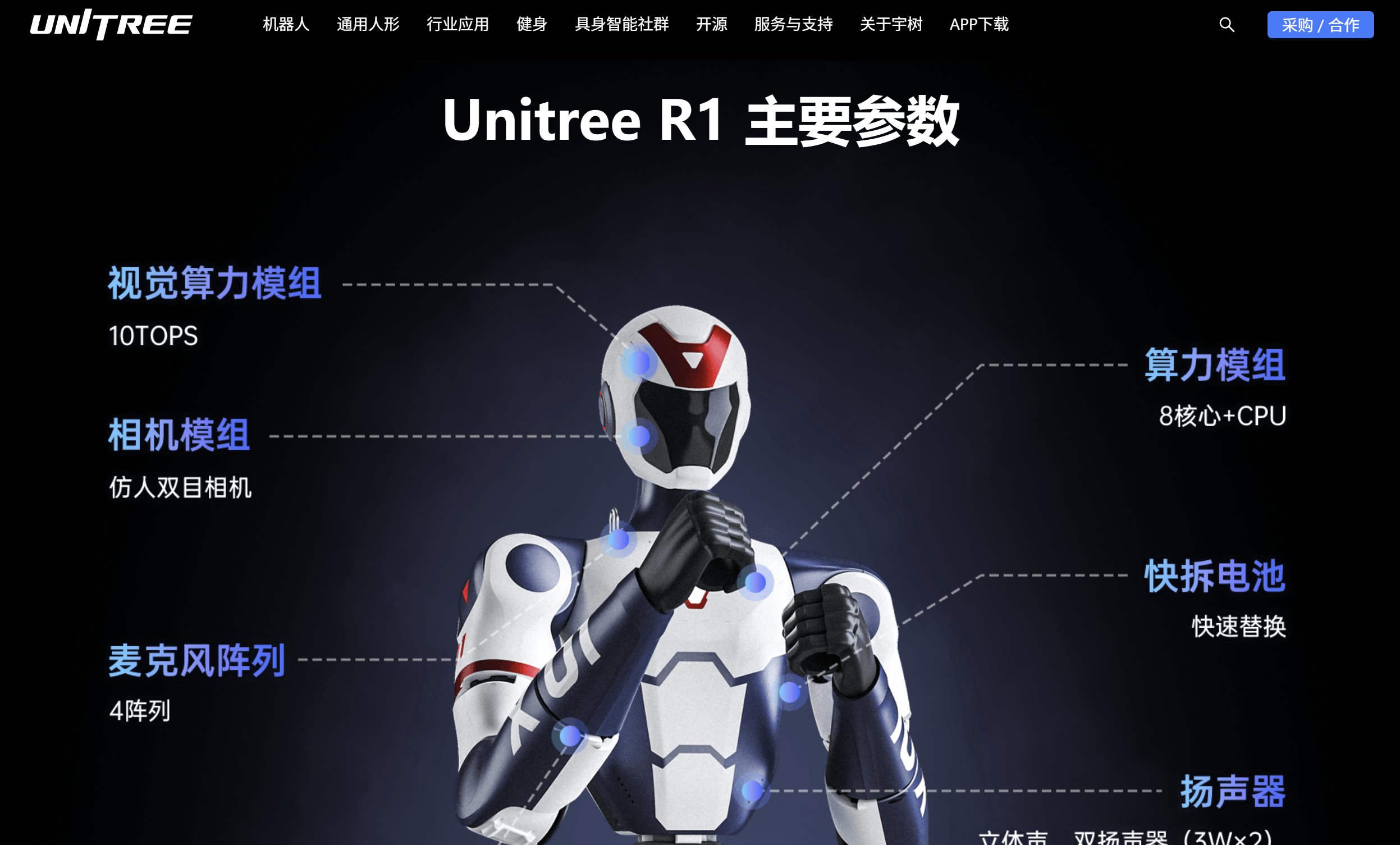
Performance of R1
First, take Yushu Robot as an example, which refers to Unitree Robotics (Hangzhou Yushu Technology Co.), a leading Chinese robotics company known for its affordable, high-performance quadruped (robot dog) and humanoid robots, like the popular Go2 and the advanced G1/H1 models.
R1 is now available for purchase on the Yushu official website. It measures 1210 x 357 x 190 mm and weighs about 25 kg. It is made of aluminum alloy and high-strength plastic. The overall design is closer to practical humanoid robot applications. The whole machine has a total of 26 degrees of freedom, distributed in the arms (5 degrees of freedom each), legs (6 degrees of freedom each), and the head and waist (2 degrees of freedom each), to meet the needs of complex motion control and human body simulation.
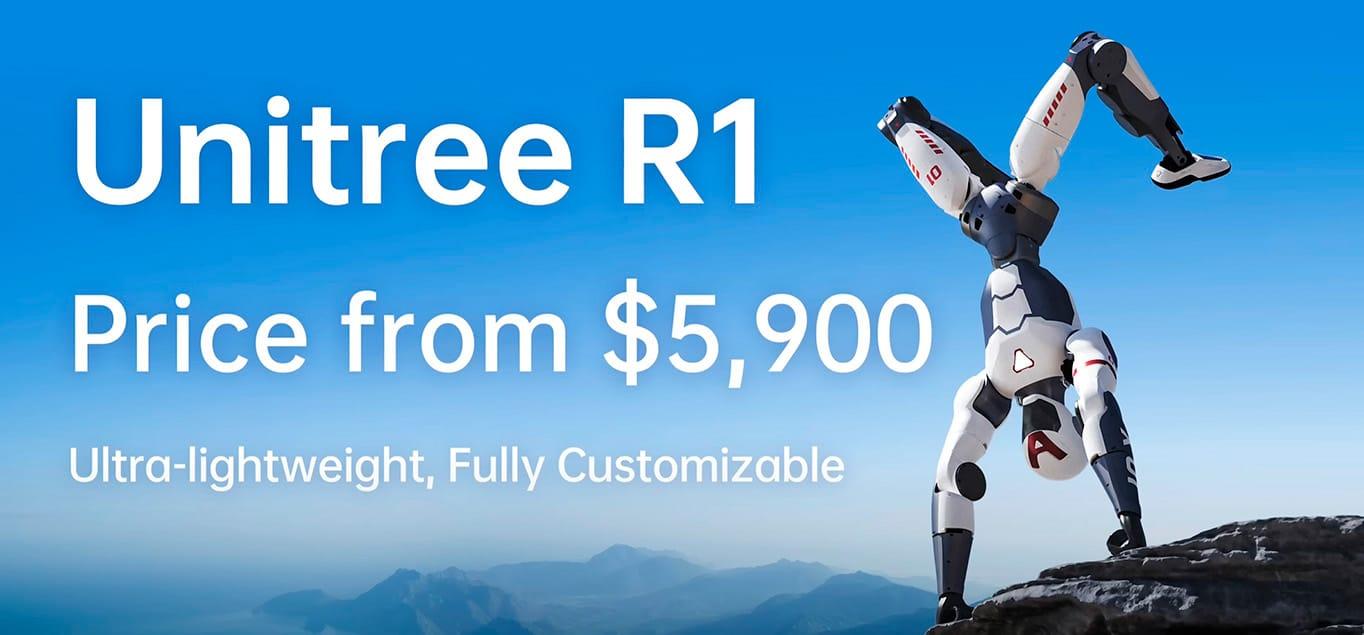
Pricing data of R1
The Unitree R1 humanoid robot is priced starting at approximately $5,900 USD (39,999 yuan) for the standard model. R1 Standard Edition: Starts at $5,900. R1 Air Edition: Starts at $4,900. R1 EDU Edition: Requires contacting sales for pricing, as it features advanced capabilities like movable, dexterous fingers (standard models have fixed fists) and enhanced computing power.This price positions the robot as an accessible, entry-level humanoid aimed at researchers, developers, and educational institutions, significantly undercutting Unitree's previous models. You can see detail information through unitree's official website here.
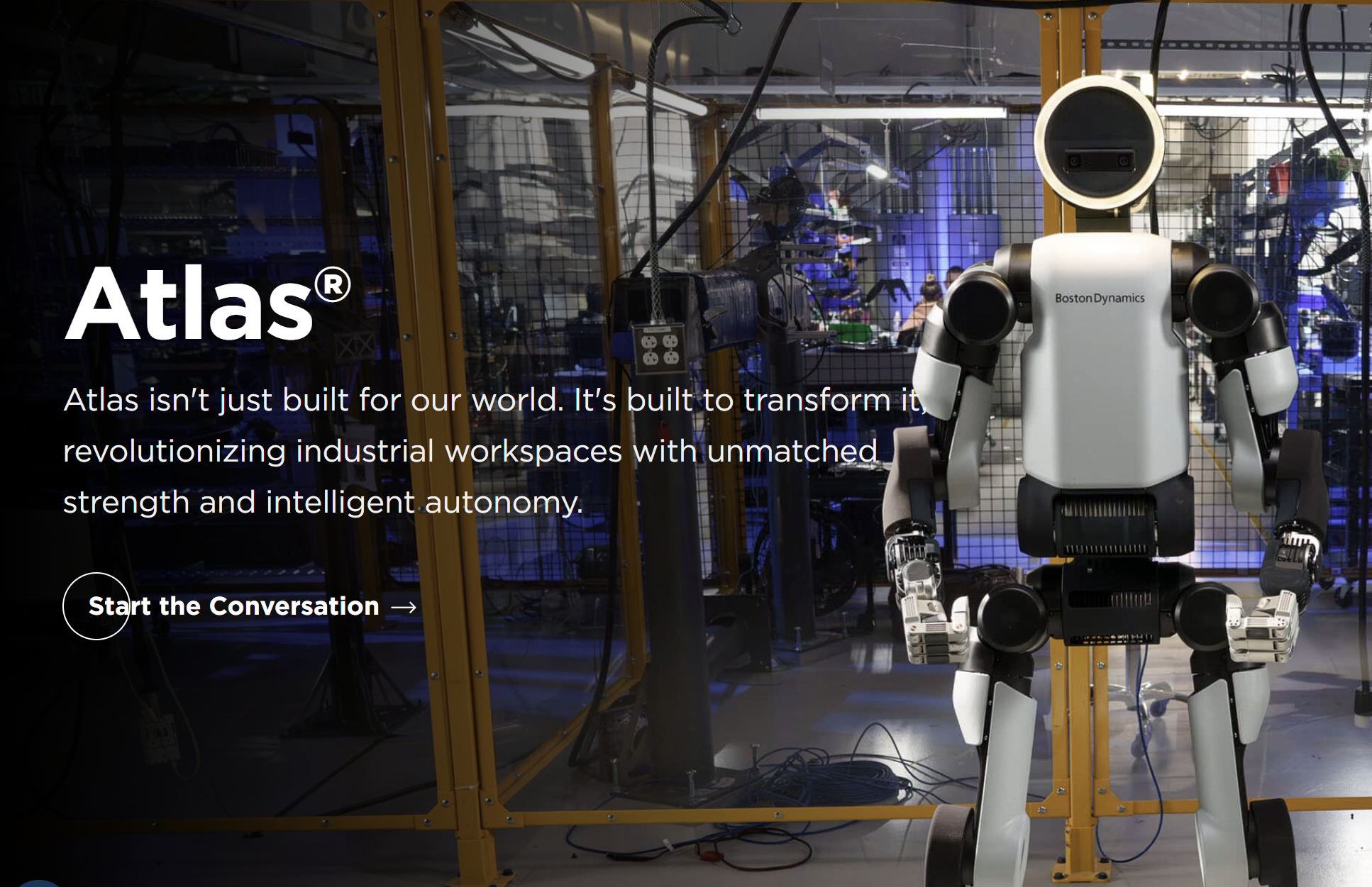
Atlas humanoid robot
Another example is Atlas Humanoid Robot. The product-oriented Atlas features a full-body joint structure with 56 degrees of freedom, hands equipped with tactile sensors, and 360-degree recognizable cameras, enabling it to perform tasks similar to humans. It can lift up to 50 kg and maintain full performance in environments ranging from -20°C to 40°C.
Hyundai Motor Group is also strengthening collaborations with global big tech to enhance AI competitiveness. It has established a strategic partnership with NVIDIA to implement physical AI, actively utilizing GPUs (graphics processing units), simulations, and AI frameworks. Recently, it has also been promoting cooperation with the Ministry of Science and ICT to strengthen domestic physical AI capabilities.
This source provides official product performance descriptions and real-world deployment context for a high-end humanoid robot at the frontier of robotics research and industrial applications. The retail price has not been announced yet. You can see more detail at Bostondynamics.com.
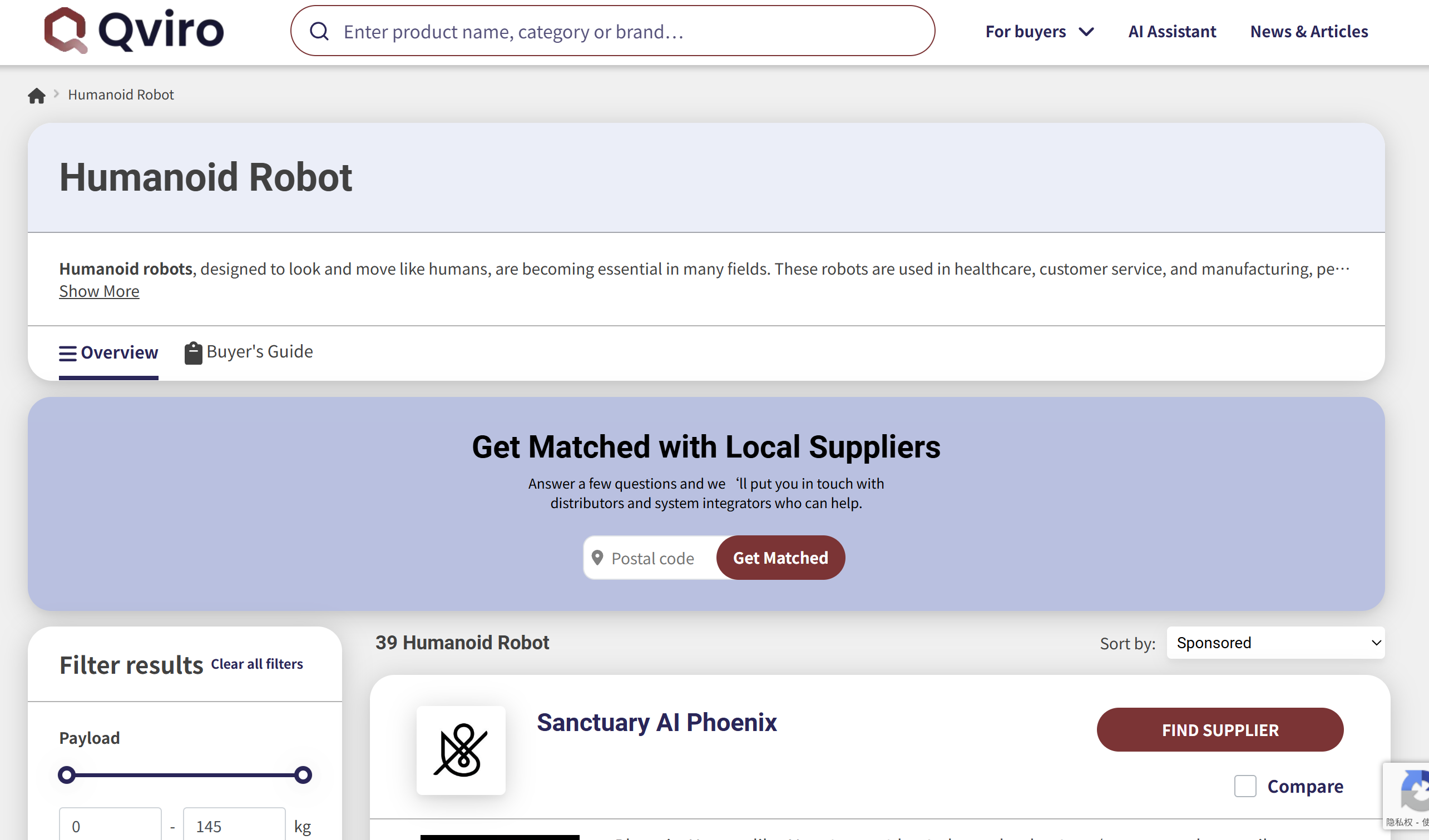
Pricing website qviro
What's more. You can visit this website to check the performance and prices of robots from various brands. (qviro.com). This comparison list shows multiple humanoid robot models from different manufacturers with basic performance and pricing ranges, giving a broader picture of the consumer robot market.
Summary:The market for humanoid robots in 2026 will feature diverse pricing, directly linked to capability. The cost of entry-level educational robots starts at $5,000. While business-ready models cost between $30,000 and $100,000, complex industrial designs can cost over $200,000.
Key insights:
- Prices for humanoid robots in 2026 vary widely, from about $5,000 for simple versions to over $1 million for sophisticated research models, with costs continuing to drop.
- Models designed for multiple tasks, including Tesla's Optimus, are targeting the $20,000–$30,000 range to suit both business and personal applications.
- A growing number of options are available for under $30,000, particularly from China, though doubts about their quality and usefulness are common.
- Mass production is a key driver for lower prices. As technology improves and AI becomes standard, costs are expected to fall further.